
In paint and coating manufacturing, inconsistent viscosity readings can cause uneven application, production delays, and quality-control problems. Even when operators test what appears to be the same coating, results may differ because temperature, sample preparation, instrument settings, or measurement methods have changed.
These differences do not automatically mean the formulation is defective. A consistent procedure helps separate real product changes from testing variation.
Why Do Coating Viscosity Results Vary Between Tests?
Readings vary when sample conditions or settings differ. Check these variables before investigating the formulation.
How Does Temperature Affect Coating Viscosity?
Many coatings become less viscous as they warm and more viscous as they cool. Bring samples to a consistent, specified temperature, record it, and avoid comparing results taken under different conditions.
Why Do Spindle Selection and Rotational Speed Matter?
A spindle viscometer measures resistance to rotation, so spindle geometry and speed affect the result. Many paints are non-Newtonian and change apparent viscosity with shear. Use the prescribed settings and avoid treating results from different settings as equivalent.
How Can Sample Preparation Change the Reading?
A practical point is to keep the sample container and fill level consistent. Different container dimensions can change the flow pattern around the spindle, while a partly filled container may not provide the immersion depth required by the method. If a coating has been stored for a long time, check whether settling or skin formation has occurred before sampling. Take the test portion from a representative part of the material and avoid introducing bubbles during transfer.
Inconsistent mixing, trapped air, evaporation, or sampling from different parts of a container can affect readings. Standardize mixing, rest time, sampling location, and the interval before measurement.
How Can You Troubleshoot Inconsistent Viscosity Readings?
A useful troubleshooting sequence is to change only one variable at a time. First repeat the measurement without changing the instrument settings. Next, verify sample temperature and preparation; then check the spindle, speed, immersion depth, and container clearance. If the readings become consistent after one correction, document that cause and update the procedure so the issue is less likely to recur. If the variation remains, follow the instrument manual and your laboratory’s verification process before using the results for a quality decision.
| Check | Recommended action |
| Sample temperature | Condition samples consistently and record the temperature. |
| Preparation | Use the same mixing, resting, and sampling procedure. |
| Spindle and speed | Confirm the correct spindle, speed, immersion depth, and measurement range. |
| Instrument condition | Inspect the spindle for residue or damage and follow the maker’s verification procedure. |
| Reading procedure | Use consistent timing and follow the relevant test method. |
| Records | Log the instrument, settings, sample ID, temperature, and result. |
How Can You Check Instrument Setup?
Position the instrument as instructed, install a clean, undamaged spindle, and check immersion depth and measurement range. A digital display does not replace correct setup or routine verification.
What Should You Record for Repeatability?
Record sample ID, temperature, instrument, spindle, speed, reading time, and result. Compare records first; if conditions match, investigate sample stability or formulation changes before adjusting production.
If readings continue to drift, check temperature change, evaporation, settling, or time-dependent coating behavior.
Avoid changing several variables at once. For example, changing both spindle speed and sample temperature makes it difficult to tell which change affected the result. Keep all other settings constant, alter one factor, and document the outcome. If a formal customer specification applies, follow its test method and acceptance criteria rather than creating an informal substitute.
How Does Viscometer Type Affect Coating Viscosity Results?
Choose an instrument based on the coating, required scale, and intended decision. Results from different instrument types are not automatically interchangeable.
When Should You Choose a Rotary or Spindle Viscometer?
When comparing results over time, keep the same instrument configuration wherever possible. A change in spindle type, rotational speed, container, or test temperature can make a new value unsuitable for direct comparison with earlier data. If a method or instrument must change, document the change and evaluate whether a bridging study or new baseline is needed. This is especially important when historical results are used to establish product limits or investigate customer complaints.
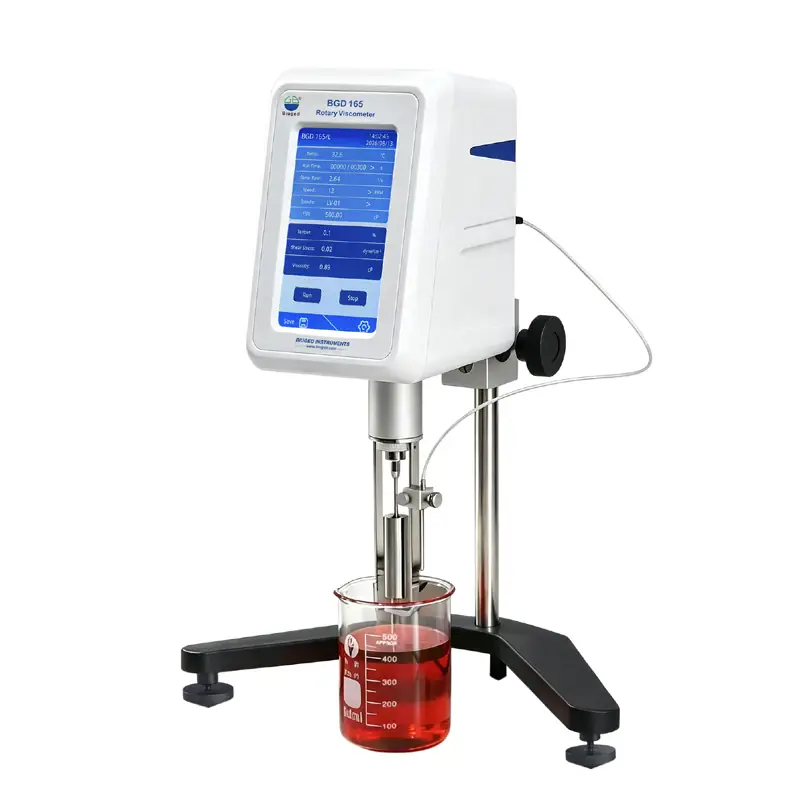
A rotary viscometer measures rotational resistance under defined conditions. A digital rotary viscometer may offer adjustable speed, temperature monitoring, or data storage. Check the required range, spindle options, and reporting needs before choosing a model.
Explore BIUGED’s rotational viscometer range to compare instruments for your laboratory’s measurement requirements.
When Is a Krebs Stormer Viscometer Appropriate?
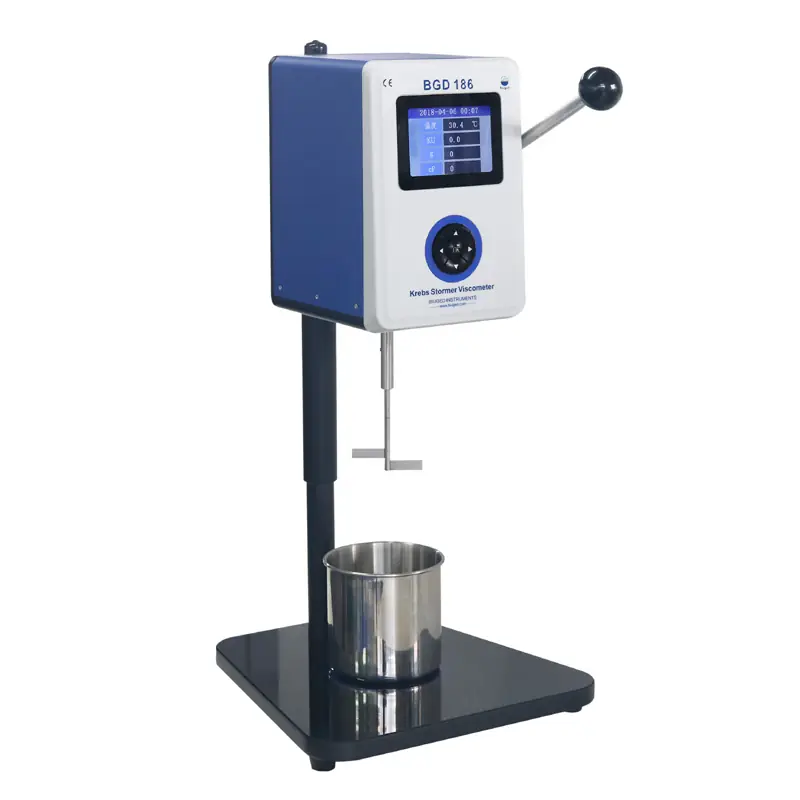
A Krebs Stormer viscometer evaluates paint consistency using the Krebs Unit (KU) scale. ASTM D562-10(2023) covers KU measurements for paints and related coatings. KU results should not be assumed to match cP results from other instruments because methods and conditions differ.
For this application, BIUGED’s intelligent Krebs Stormer viscometer reports KU, centipoise (cP), mass in grams, and temperature, according to the manufacturer’s product information.
When Should You Consider a Cone-and-plate Viscometer?
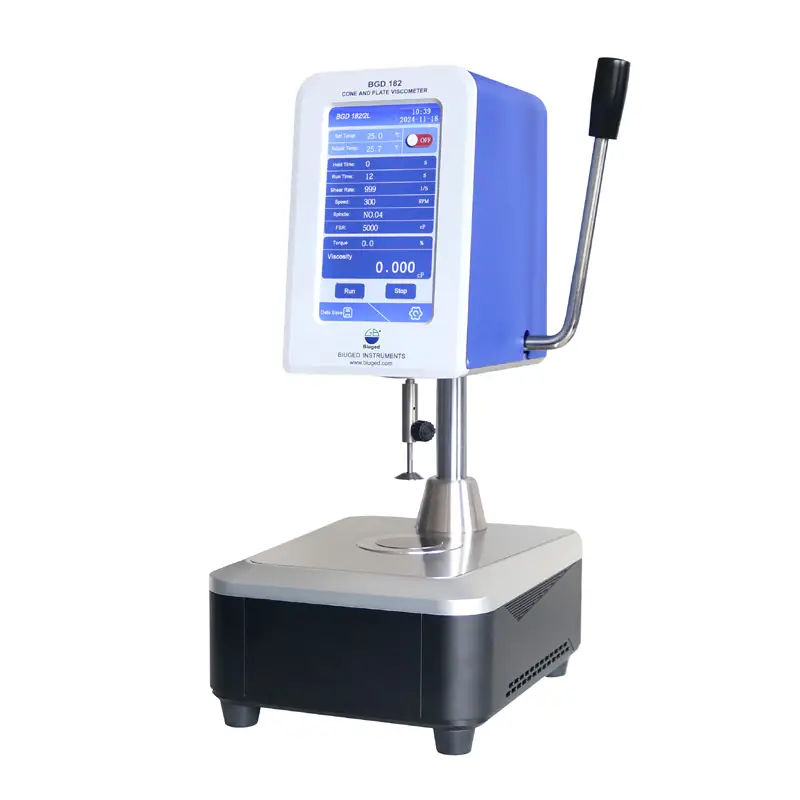
A cone-and-plate viscometer evaluates coatings under defined cone-and-plate conditions and can suit small samples. The BGD 182 supports sample volumes below 2 mL and offers continuously adjustable speeds from 5 to 1,000 rpm, with 1 rpm increments. Compare results across geometries only when the methods justify it.
How Can BIUGED INSTRUMENTS Support Coating Viscosity Testing?
BIUGED INSTRUMENTS offers viscosity-testing equipment for different laboratory and quality-control needs. Match documented capabilities to the required method.
What Should You Check Before Choosing a Digital Rotary Viscometer?
Before selecting a model, prepare a short list of acceptance criteria: the viscosity range normally encountered, the required units, the available sample volume, the test temperature, the expected number of tests per day, and the records operators must retain. Ask whether the instrument supports the spindle and speed combinations required by the procedure, and review the manufacturer’s instructions for performance checks and maintenance. This helps support the method rather than forcing the method to fit the instrument.
BIUGED’s professional intelligent touch-screen rotary viscometer offers adjustable speed, multiple rotor options, a temperature probe, digital display, and USB storage. These functions support setup and recordkeeping, but repeatability still depends on controlled test conditions.
Choose an instrument based on the test question: routine batch consistency, a specified KU method, or cone-and-plate measurement. Confirm that the method meets the customer’s requirements for the coating application before comparing instrument quotations.
How Should You Compare the Available Instruments?
| Instrument type | Typical reason to consider it |
| Rotary viscometer | Rotational viscosity measurements using suitable rotors and settings. |
| Krebs Stormer viscometer | Paint consistency testing using the KU scale. |
| Cone-and-plate viscometer | Measurements using a defined cone-and-plate geometry, including small samples. |
Before purchasing, compare measurement range, method, sample volume, temperature needs, and data-recording requirements. Confirm that the instrument meets any required industry method.
How Can You Maintain Consistent Coating Viscosity Results?
Consistent results depend on sample preparation, temperature, settings, and timing. Check these before changing the formulation.
Which Conditions Should Your Team Standardize?
It is also useful to create a short pre-test checklist near the instrument. Operators can confirm that the instrument is level, the spindle is clean and correctly fitted, the sample has reached the target temperature, the correct speed has been selected, and the sample is free of visible bubbles. A checklist does not replace training or the formal test method, but it makes routine steps easier to repeat across shifts and reduces dependence on individual memory.
Define sample handling, temperature, mixing and resting times, spindle or geometry, speed, cleaning, and recordkeeping in a written procedure. Train operators to follow it.
Conclusion
Viscosity variation can arise from testing conditions or genuine material changes. Rotary, Krebs Stormer, and cone-and-plate viscometers serve different purposes, so compare readings only with attention to method and conditions. Documented procedures and suitable equipment help manufacturers investigate variation systematically.
