
Material exposure testing helps companies evaluate how products respond to environmental conditions before they enter long-term use. Coatings, plastics, and automotive components may face sunlight, moisture, temperature changes, and other outdoor influences during service. A suitable accelerated exposure method should match the material characteristics and the evaluation purpose.
In laboratory work, we compare exposure sources, material behavior, testing standards, and workflow requirements before selecting equipment. Different methods provide different information. Understanding the difference between these methods helps quality teams create more practical testing plans for product development and performance evaluation.
Different Exposure Sources Create Different Test Results
The main difference between these two testing methods is the exposure source. Xenon arc lamps are designed to simulate a broader sunlight spectrum, including ultraviolet, visible light, and infrared radiation. This makes xenon-based testing useful for evaluating overall outdoor weathering behavior.
A weathering chamber is often selected when laboratories need to study multiple environmental factors together. Depending on the equipment configuration, testing may include light exposure, temperature control, humidity adjustment, and water spray. These conditions can help evaluate changes in coatings, plastics, and other materials during outdoor aging.
A UV test chamber mainly focuses on ultraviolet radiation exposure. It uses UV fluorescent lamps to study material reactions caused by UV energy. This method is commonly applied when researchers need to observe specific changes such as surface cracking, color fading, or coating degradation caused by ultraviolet exposure.
Matching Material Behavior With Test Purpose
Different materials may react differently under exposure conditions. Coatings, for example, can experience gloss loss, discoloration, chalking, or adhesion changes after environmental exposure. Plastic materials may show surface aging, while automotive parts may require evaluation of both appearance and durability.
When selecting a method, we consider how the product will be used. Exterior automotive components may experience sunlight, rain, and temperature variation together. A broader exposure method can provide information closer to these combined conditions. For materials mainly affected by UV radiation, focused UV testing may provide useful comparison data.
At BIUGED INSTRUMENTS, we focus on developing testing solutions according to different industry requirements. With our own R&D and manufacturing capabilities, we provide standard weathering testing instruments as well as customized solutions for different laboratory applications. For OEM cooperation, we can discuss equipment configurations, testing requirements, and functional adjustments based on customers’ application conditions. We consider sample type, testing objectives, and laboratory conditions instead of using one approach for every application.
Considering Standards and Laboratory Workflow
Testing standards play an important role in equipment selection. Different industries may follow different requirements depending on product type and market application. Laboratories should confirm the related standard before establishing an exposure method.
A UV test chamber can support testing procedures focused on ultraviolet resistance, while xenon-based systems are often used for broader sunlight simulation. The selection depends on the material, expected exposure environment, and required evaluation results.
A complete laboratory workflow also includes sample preparation, exposure settings, inspection methods, and data recording. Operators need consistent procedures to compare results between different batches. Recording exposure conditions helps researchers understand whether changes come from material differences or test variations.
Reviewing Equipment Design and Testing Capacity
Equipment structure also influences daily laboratory operation. Sample quantity, shape, and size should be considered before selecting a testing system. Laboratories handling different products may need flexible exposure space and stable operation conditions.
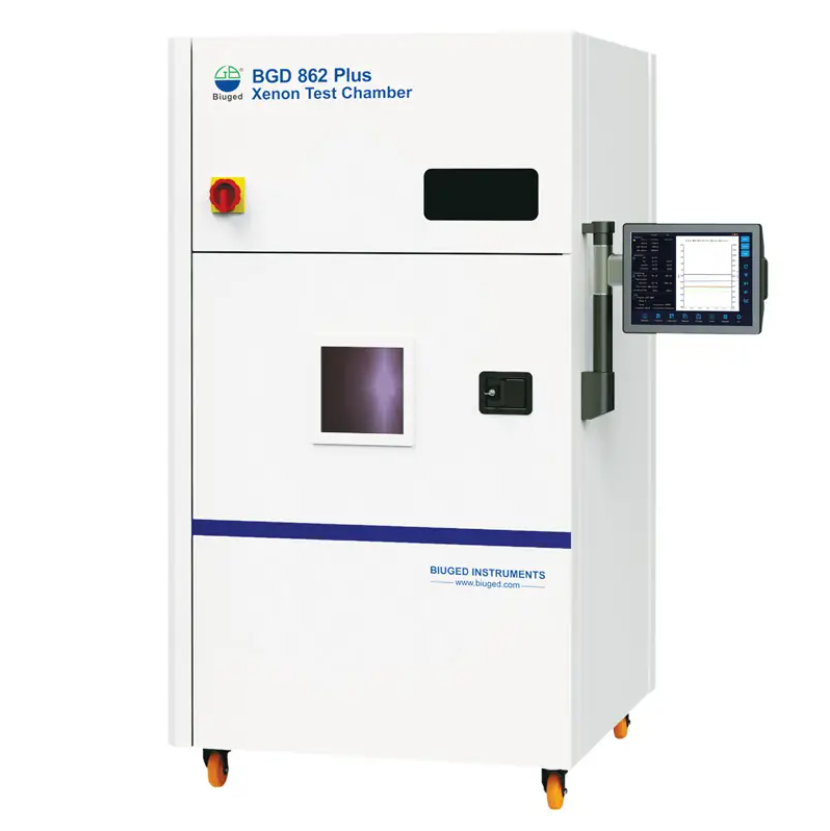
The BGD 862 Plus Big Xenon Test Chamber is designed for large-scale xenon light accelerated weathering tests. It uses one 6.5KW water-cooling xenon lamp and provides an exposure area of 6,500cm². The three-floor rotating drum-type sample rack helps improve exposure uniformity across different specimens.
The system uses USA brand xenon arc lamps, filters, and components to maintain consistent operating parameters. It meets international xenon test standards and supports testing needs for different sample shapes and sizes. This type of equipment can be applied in laboratories that need broader weathering evaluation.
Choosing Based on Application Requirements
The selection between different exposure methods should start with the testing goal. A company developing outdoor coatings may need information about long-term environmental resistance. A manufacturer studying UV sensitivity may focus more on ultraviolet effects.
A weathering chamber can support wider environmental simulation, while UV-focused equipment can provide targeted information about ultraviolet influence. These methods have different purposes, and one method does not replace the other in every situation.
For coating and material laboratories, the key is building a testing plan that matches actual application conditions. Exposure source, sample characteristics, standards, and measurement methods should work together to create meaningful results.
Building More Reliable Exposure Testing Plans
Accelerated exposure testing provides important information for improving product quality and material performance. By understanding the differences between weathering and UV-focused methods, laboratories can select a more suitable evaluation approach.
At BIUGED INSTRUMENTS, we support customers in organizing practical testing workflows based on industry standards and material requirements. Through our R&D, manufacturing, and customization capabilities, we work with partners to develop testing solutions that match different exposure evaluation needs. Careful method selection helps laboratories collect more consistent data and make clearer decisions during product development and quality control.
