
Outdoor materials are exposed to different environmental conditions during use, including sunlight, temperature changes, humidity, and rainfall. For coatings, plastics, and automotive parts, laboratory testing helps companies evaluate whether materials can maintain expected performance after long-term exposure.
A suitable exposure plan should not only focus on test duration. We need to consider material characteristics, application environment, performance concerns, and testing standards. By creating clear conditions and recording each parameter, laboratories can obtain more comparable and repeatable results.
Material Characteristics Decide the Testing Direction
Different materials have different aging concerns during practical applications. Coatings may focus on color change, gloss loss, cracking, or surface damage after exposure. Plastic components may require evaluation of appearance stability, discoloration, or structural changes. Automotive parts often need attention to weather resistance because they face outdoor conditions for long periods.
Before starting a test, we review where the material will be used. A coating for exterior walls may experience different conditions from an automotive interior component. The expected environment helps determine which exposure factors should be included in the laboratory plan.
A weathering chamber allows users to simulate environmental influences under controlled conditions. By adjusting factors such as light, temperature, and moisture, laboratories can study how materials respond to planned exposure cycles. The test method should match the actual application requirements.
Exposure Cycles Should Match Real Conditions
A useful exposure cycle needs a clear connection between laboratory settings and real environments. Light intensity, temperature, spray time, and exposure duration all influence how samples age. Changing these parameters without proper records may affect the comparison between different tests.
For example, materials used in regions with strong sunlight may require more attention to UV exposure. Products used in humid areas may need additional consideration of moisture effects. The purpose of the test is not only to create aging conditions but also to understand how materials respond to specific environments.
When planning a cycle, we consider the expected failure points of the material. This helps laboratories select suitable conditions and avoid collecting data that does not reflect actual application needs.
Standards Help Define a Reliable Test Method
Testing standards provide important references for laboratories. Different industries may follow different requirements based on material type and application. Coating manufacturers, plastic suppliers, and automotive companies usually need to select methods according to their product specifications.
A complete test record should include sample information, equipment settings, exposure time, and evaluation results. These records support traceability and make it easier to review changes between different materials or formulations.
At BIUGED INSTRUMENTS, we focus on developing testing solutions that support standardized laboratory workflows. With our own R&D and manufacturing capabilities, we provide weathering testing instruments and customized solutions for different material evaluation requirements. For OEM cooperation, we can discuss equipment configurations, testing functions, and application needs with partners according to their laboratory processes and testing objectives. Our experience in coating and material testing helps us understand the importance of repeatable conditions and clear measurement processes.
Equipment Selection Supports Repeatable Testing
The selected equipment should match the testing purpose. Laboratories need to consider sample size, exposure requirements, operating conditions, and data recording needs before choosing a suitable system.
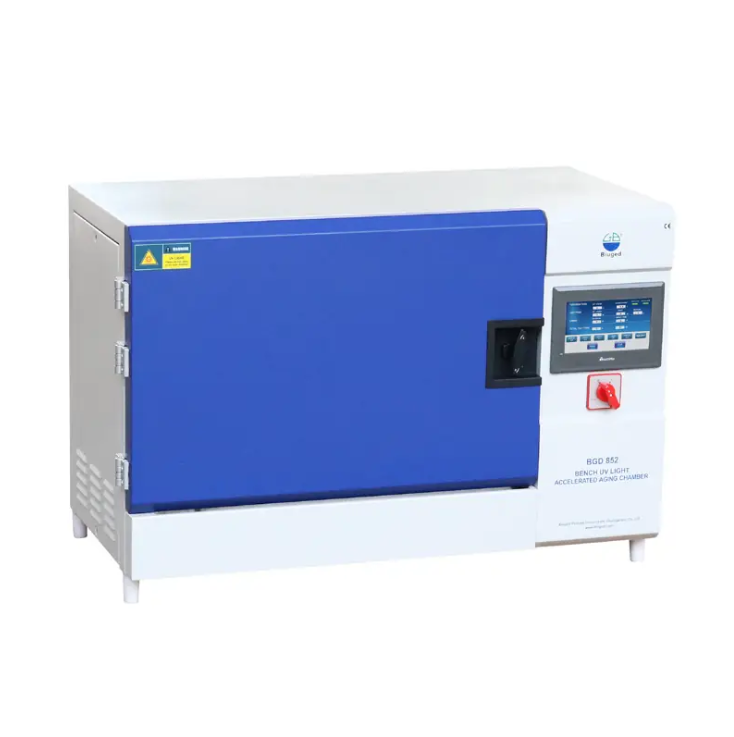
The BGD 852 Bench UV Light Accelerated Aging Chamber is designed for laboratories that require a compact solution for UV aging evaluation. The equipment uses three 20W UVA or UVB lamps as light sources and allows operators to set total illumination time, temperature, and spray time.
By simulating environmental factors that may cause sample damage, the system helps users observe material changes under controlled conditions. It can support testing tasks where laboratories need planned UV exposure cycles for coatings and other materials.
Data Records Improve Testing Comparisons
Reliable weathering evaluation depends on consistent operation and complete records. Laboratories should record test conditions instead of only keeping final results. Information such as lamp type, exposure duration, temperature, and spray settings can help explain performance differences.
For companies developing new materials, these records provide useful references during formulation improvement. For quality teams, consistent testing methods help compare production batches and monitor material performance over time.
An accelerated weathering tester provides controlled exposure conditions that help laboratories study durability changes. However, the value of testing also depends on whether the method, sample preparation, and evaluation process are clearly defined.
Testing Plans Support Better Material Decisions
A practical exposure strategy connects material type, end-use environment, performance requirements, and applicable standards. This approach helps laboratories create testing plans that provide meaningful information instead of focusing only on exposure time.
At BIUGED INSTRUMENTS, we continue developing solutions for coating, plastic, and automotive material testing. Supported by our R&D and manufacturing experience, we work with partners on standard products and customized testing solutions based on different laboratory requirements. We consider equipment operation, testing consistency, and application conditions when designing products. A structured testing process can support better analysis during material development and quality control.
A Clear Path for Future Weathering Evaluation
Weathering tests are an important part of material performance evaluation. When laboratories understand the relationship between environmental conditions and material behavior, they can create more suitable exposure plans.
An accelerated weathering tester can assist with controlled aging evaluation when combined with proper methods and records. Through repeatable conditions and organized data management, companies can better understand material durability and make informed decisions for future applications.
