Coating test results can reveal changes in raw materials, formulation, application, or curing. However, one result rarely explains the cause. When gloss, hardness, adhesion, washability, or film appearance shifts, teams need a clear investigation process. Defining the scope, checking repeatability, and comparing production records help R&D, quality control, and procurement make evidence-based decisions. For teams using material testing equipment, each measurement should answer a defined question.

Start with the Change, Not the Instrument
Before testing, describe the change in practical terms. Record the coating batch, substrate, application method, film thickness, drying or curing conditions, and where the issue appeared. This helps separate a material change from a process variation.
Next, identify the property that changed and the decision the result must support. Gloss differences may require a surface comparison, while poor adhesion calls for a test suited to the coating and substrate. Testing unrelated properties can consume time without clarifying the issue.
We recommend agreeing on the scope with production, R&D, and quality staff. The plan should state sample groups, test methods, acceptance criteria, replicates, and records to collect. Procurement can then confirm whether available instruments cover the required methods or whether additional capability is needed.
Choose Methods That Match the Coating Question
Test methods should reflect the material, substrate, and intended use. Coating and ink laboratories may assess film thickness, gloss, hardness, adhesion, fineness, abrasion resistance, or washability. The right combination depends on the observed change, so a general test list should not become a fixed package.
Standards provide a shared basis for preparing samples, running tests, and reporting results. Confirm the relevant ISO, ASTM, or GB method and its current revision. Details such as conditioning time, panel preparation, stroke rate, load, and evaluation criteria can affect interpretation.
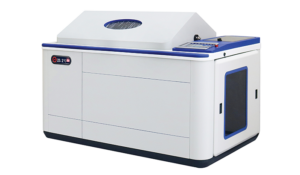
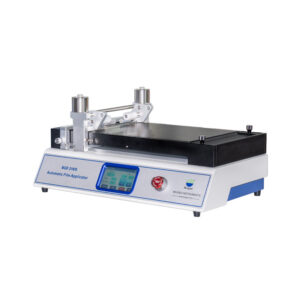
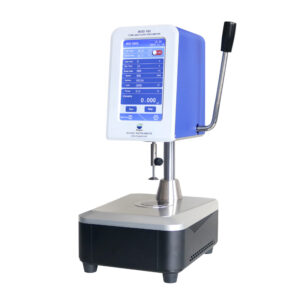
Different instruments answer different questions. Hardness testing does not replace adhesion testing, and fineness readings do not describe every aspect of dispersion quality. Our laboratory testing equipment portfolio supports coating and ink testing, while each instrument and method should match the investigation objective and applicable standard.
Check Repeatability Before Drawing Conclusions
Repeatability helps teams determine whether a change is real or within normal test variation. Prepare replicate panels when the method calls for them, keep conditioning consistent, and record environmental conditions that may affect the coating. Use the same procedure for affected and reference batches.
Review individual readings, not just the average. Large differences between replicates may point to uneven application, inconsistent film thickness, sample defects, operator variation, or instrument setup. Repeating a test without checking these factors may reproduce uncertainty rather than resolve it. Record outliers and note whether the method permits excluding them.
Instrument condition also affects data quality. Follow the method for verification and maintenance, inspect contact surfaces or accessories, and document calibration status where relevant. If results remain inconsistent, review the standard and equipment setup before attributing the difference to a formulation change.
Connect Test Results with Production Records
Compare affected and reference samples side by side. Use the same units, calculation rules, and reporting format. Tables can show batch number, test date, operator, method, replicate readings, mean, and production details. Clear records support evidence-based review.
Then map the results against recent changes. Check raw-material lots, supplier substitutions, mixing time, dispersion conditions, application settings, curing temperature, and storage history. Look for timing links rather than assuming the latest change caused the defect. If several factors changed together, design follow-up tests to isolate them. Separate confirmed observations from possible explanations in the report.
We developed BIUGED INSTRUMENTS around coating, ink, and related materials testing, with instruments and standard test substrates for laboratory and quality-control work. Our team can discuss the sample type, applicable method, and measurement needs before suggesting a setup. This keeps equipment selection connected to the investigation question.
Build a Workflow That Teams Can Repeat
Investigations are easier to compare across shifts when each step is documented. Use a common sample label, controlled instructions, consistent data fields, and a clear rule for recording unusual results. Store original readings as well as summaries, so reviewers can trace how a conclusion was reached.
Training also matters. Operators should understand sample preparation, instrument settings, test timing, and method limits. When multiple sites or laboratories participate, align procedures before comparing data. Differences in technique can otherwise appear to be differences in coating performance.
For purchasing teams, review more than the initial instrument price. Consider required methods, accessories, training, service arrangements, calibration needs, spare-part access, and expected workload. When evaluating material testing equipment, buyers can ask BIUGED INSTRUMENTS about demonstrations or data comparisons using representative samples before finalizing a specification.
Turn Findings into a Controlled Follow-Up
The investigation should end with a testable explanation, not simply a list of readings. State what the evidence supports, what remains uncertain, and which factor to check next. If a formulation adjustment is proposed, test it against the original reference under the same conditions before approving a wider change.
Reliable investigations depend on consistent methods, traceable records, and a clear link between measurements and production conditions. Suitable laboratory testing equipment is one part of the process; test planning and interpretation matter just as much. Organized evidence helps teams make coating decisions with greater clarity and document why each action was taken.