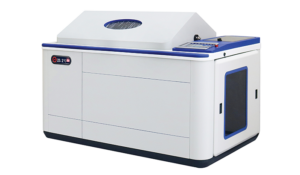
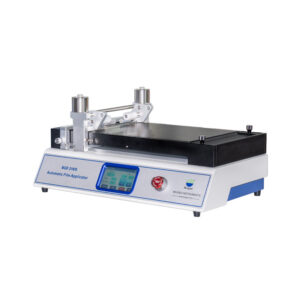
Testing projects begin with concerns: results vary by operator, a method takes too long, or a material behaves differently in production than in the lab. We record the task, material, method, and decision the test must support. This gives custom testing equipment planning a measurable starting point.

Operator Feedback Starts with Daily Work
Operator feedback is useful when it describes a specific task. Ask which steps cause delays, where readings vary, how samples are prepared, and what information is recorded. Details about temperature, fixture changes, or data entry can reveal where a process needs adjustment.
We also separate a user’s preferred solution from the problem behind it. Requests for a larger display may reflect poor visibility while wearing protective equipment. Automatic recording may address transcription errors. Knowing the reason helps us assess the need rather than accept the first suggestion.
Clear Test Objectives Guide the Project
After reviewing the workflow, define what the test must measure and how results will be used. Objectives may include comparing batches, checking a formulation change, monitoring production consistency, or documenting material behavior. Each objective should connect to an observable result.
The project brief should list material type, sample dimensions, expected range, test frequency, operator experience, and bench space. Record current problems and desired improvements, such as fewer manual steps or clearer data review. This helps determine whether custom test equipment is suitable or a standard instrument may be enough.
Standards Review Comes Before System Design
Check testing requirements against the standards and internal procedures that apply to the product. Teams may use ISO, ASTM, or GB methods. Identify the edition, sample preparation, conditioning, test settings, calculation method, and report format before system design.
Customer quality plans may add repeat tests, extra records, or approval steps beyond a formal standard. We review these together and identify settings that must stay fixed for comparable results. If a proposed change could affect compliance, discuss it early with technical and quality teams.
System Design Should Follow the Testing Workflow
A system specification translates each objective into practical requirements. These may cover measurement range, controls, fixtures, software records, data export, operator access, and installation space. It should identify who operates the system and who reviews results. Clear responsibilities reduce confusion during acceptance and daily use.
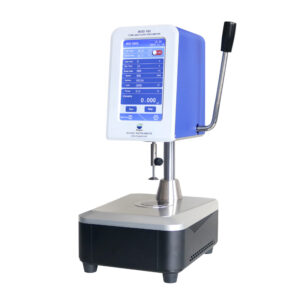
For rheology work, the BGD 168 Programmable Rheometer supports precise viscosity and rheology testing of paints, coatings, inks, and polymers. Programmable shear rate control, high-precision torque measurement, and intelligent data analysis help characterize material flow. The scope of custom test equipment should reflect agreed needs, not add features without purpose.
Sample Evaluation Checks the Proposed Method
Sample evaluation helps confirm whether the method reflects the material and its intended use. Before a trial, agree on sample preparation, conditioning, test sequence, repeat count, and records. Where relevant, include samples from different batches instead of relying on one result.
Compare results with agreed criteria and assess usability too. Operators can comment on loading, cleaning, setup time, screen navigation, and report clarity. If a trial reveals a gap, revise the requirement and repeat the check. Documenting changes makes the decision easier to explain.
Commissioning and Training Prepare the Team
Commissioning confirms that equipment is installed correctly and fits the customer’s workflow. Commissioning checklists may cover utilities, bench stability, environmental conditions, accessories, software settings, permissions, and data storage. Confirm that the approved method and documents are available at the testing location.
Agree on acceptance criteria before commissioning. These may include completing test sequences, reviewing records, comparing results with references, and confirming routine operation. Training should cover sample preparation, setup, testing, result review, cleaning, and routine checks. Operators should practise tasks and know when to request support.
Written Procedures Keep Testing Consistent
Written procedures should record the approved method, settings, sample handling, data naming, report review, and actions for results outside expected limits. Keep revision dates and responsibilities clear. When a procedure changes, explain why, especially if the update affects comparisons with earlier results.
Training may need refreshing when staff, methods, or testing tasks change. Role-based guidance helps maintain consistent practice across shifts. It also gives supervisors a practical way to check that the agreed method is followed rather than relying on memory.
Lifecycle Service Supports Long-Term Use
Testing needs may change when a company introduces a formulation, updates a standard, adds a line, or enters another market. Lifecycle plans should cover service contacts, spare parts, maintenance, calibration, software support, and record retention. The schedule depends on instrument use and quality requirements.
Our project discussions include support after delivery as well as the specification. At BIUGED INSTRUMENTS, we review application needs, configurations, training, and technical support. For calibration, customers can discuss services with Guangzhou Runke, which operates our CNAS-accredited calibration laboratory. Confirm the scope for each project.
Measurable Requirements Keep the Project on Track
A solution moves from feedback through standards review, design, sample evaluation, commissioning, training, and service planning. Each stage should produce a record, from the original problem to agreed acceptance criteria. This helps teams make decisions based on the task rather than assumptions.
With clear requirements, we at BIUGED INSTRUMENTS work with technical, quality, and production teams to assess options. Each project involving custom testing equipment should fit the material, applicable method, and needs of the people using the results. Clear documentation gives future changes a useful starting point.