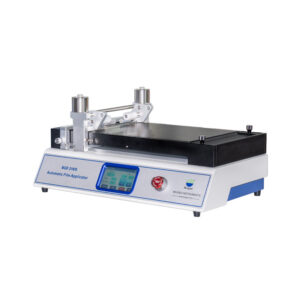
Coating teams compare color, gloss, hiding power, adhesion, and defects across batches. Results are difficult to compare when panels are prepared differently. For repeatable drawdowns, a film applicator machine supports consistent application, while a shared panel library gives R&D and QC teams a reference for investigating variation.
Record more than the finished panel. Include substrate preparation, film thickness settings, drawdown speed, drying conditions, cleaning, and inspection results. Clear records help teams repeat methods and identify why a new sample differs from an approved reference.
Why Each Panel Needs a Defined Purpose
Decide which property each panel will assess. Color matching, surface appearance, hiding power, and film uniformity may need different substrates or evaluation methods. Separate these purposes rather than treating every drawdown as a general reference sample.
Set acceptance criteria before preparing panels. Depending on the test, criteria may cover streaks, pinholes, edge build-up, contamination, color difference, gloss, or dry-film thickness. Record the test method or standard so reviewers know how each panel should be judged.
Our team at BIUGED INSTRUMENTS recommends recording the panel’s intended use, test method, and review date. This helps prevent reuse after appearance changes or original conditions are lost. Define approval responsibilities between R&D and QC.
Substrate Preparation Must Stay Consistent
Substrate condition affects wetting, leveling, adhesion, and appearance. Choose material suited to the application, such as a specified test chart, metal panel, or plastic sheet. Record its type, grade, dimensions, supplier, and batch when relevant.
Follow the same preparation procedure for each substrate type. This may include removing dust, grease, and handling marks, then allowing the surface to dry. Avoid touching prepared areas with bare hands, and reject panels with scratches or dents.
Protect unused substrates from dust and moisture. If a material has a defined surface treatment or preparation interval, record it and follow the same timing for comparison panels. Consistent handling reduces variation unrelated to the coating.
Film Thickness and Drawdown Speed
Choose wet-film thickness according to the test objective. Record the applicator gap or relevant setting, and confirm the tool suits the target range. The nominal setting alone may not represent the actual film deposited on every substrate.
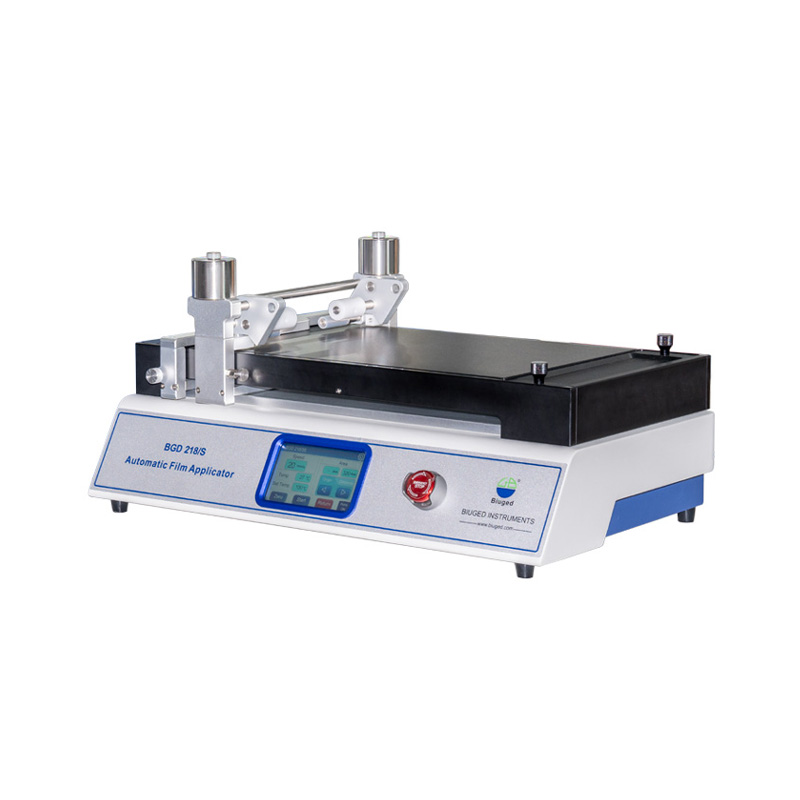
Drawdown speed and applied force affect film formation. Manual work can introduce differences in movement, pressure, and timing. Using a film applicator machine can standardize spreading movement when settings are defined and equipment is maintained.
The automatic film applicator supports drawdown on different substrates and helps reduce variation linked to manual handling. Shear rate and downward force also affect application. Record operating settings and repeat the same procedure, checking that it suits the coating and substrate.
Drying and Inspection Conditions
Define drawdown speed for each approved method and document how it is controlled. Keep it consistent when comparing samples unless the test examines speed itself. Record dragging, edge ridges, foaming, or poor leveling rather than relying only on appearance.
Control drying and curing conditions. Record temperature, relative humidity when relevant, drying time, and specified curing procedures. These conditions can change film appearance and measured properties, so panels prepared differently should not be compared without a documented reason.
Inspect dried panels under consistent lighting. Use agreed methods for color, gloss, defects, or thickness, and record instrument identification for measurements. Check application settings when investigating differences, but remember that equipment does not replace controlled drying or suitable measurement methods.
Clean Tools Support Repeatable Results
Clean applicators and related tools according to equipment and coating instructions. Residue from a previous sample may contaminate the next drawdown or cause uneven spreading. Check tool surfaces for scratches, dried coating, or damage before reuse.
Follow a defined cleaning sequence and record exceptions, especially when switching between coatings with different colors, binders, or solvents. Confirm cleaning materials suit the equipment and coating system. Allow parts to dry as required before storage or use.
Record maintenance, verification checks, repairs, and worn-part replacement. If results change unexpectedly, review tool condition and maintenance history alongside substrate details, coating batch, settings, and environmental records. This gives the team a practical starting point for investigating variation.
Traceability Starts With Clear Records
Give every approved panel a unique identification code. Link it to the coating or batch, substrate details, applicator settings, drawdown speed, operator, date, drying conditions, and inspection results. Add photographs when useful, using consistent lighting and framing.
Separate approved references from trial panels and rejected samples. Mark each status clearly and record the reason for acceptance or rejection. Store digital records with access controls and version history, so revised methods do not overwrite earlier conditions.
Set storage conditions and review intervals for physical panels. Light, heat, humidity, dust, and aging may alter a reference. Retire panels that no longer represent their original condition and prepare replacements using the documented method. Retain earlier records when traceability requires them.
How the Library Supports Daily QC
Library value depends on repeatable preparation, clear criteria, controlled application, and complete records. Review results to identify recurring defects or differences between operators, substrates, and coating batches. These patterns can guide method updates and indicate where training or equipment checks may help.
Our work at BIUGED INSTRUMENTS focuses on coating test instruments and related laboratory materials. Controlled drawdown and careful records help teams compare panels consistently. Each reference should link to its preparation method and defined criteria, with an automatic film applicator supporting repeatable application when suited to the test.