Small paint samples can support formulation development and routine quality control, but their condition matters before measurement. Temperature, mixing history, trapped air, and waiting time can affect a reading. Consistent preparation helps teams compare batches and relate high-shear viscosity to production and application behavior. For small-volume work, a cone–and–plate viscometer can measure high-shear viscosity when preparation is consistent.
Why High-Shear Results Matter
Paint does not behave like a simple liquid in every condition. Its apparent viscosity can change with applied shear, so one reading may not describe behavior during storage, transfer, and coating. Low-shear conditions relate to settling, levelling, and sagging, while pumping, dipping, and slow mixing create moderate shear.
High-speed dispersion, rolling, spraying, and brushing create higher-shear conditions. The supplied technical information gives a typical range of 9,000 to 12,000 s⁻¹ for high-shear coating processes. A cone-and-plate viscometer helps assess viscosity in this range and adds useful information to low-shear measurements during development and QC.
Reliable results require a defined procedure. Record the sample identity, preparation steps, test temperature, cone, and measurement settings. These details separate formulation changes from handling differences. They also support repeat testing during incoming inspection, production checks, and customer complaint investigations.
Prepare the Sample Without Changing It
Take a representative sample from the batch. Avoid collecting only surface liquid or material where pigments or fillers may have settled. If mixing is needed, follow a documented method and repeat it consistently. Excessive agitation can introduce air or change the structure of coatings with thixotropic behavior.
Allow the sample to rest for a defined period when required by the method. This gives bubbles time to rise and reduces variation from handling. Do not assume every paint needs the same rest time; set an interval suited to the material and procedure. Note visible foam, separation, skin, or contamination.
Small samples reduce material use and support quick formulation screening. The amount must still cover the measurement area as required by the instrument method. Too little sample may leave part of the cone uncovered, while excess can spill. Follow loading instructions instead of estimating volume by eye.
Keep Temperature Under Control
Temperature can change viscosity even when the formulation stays the same. Paint taken from cool storage may give a different result from paint warmed on a laboratory bench. Bring each sample to the specified test temperature and allow the material and test components to stabilize.
Record the actual temperature with the result, not just the target in the procedure. If a specification sets a tolerance, keep samples within that range and use the same rule for each comparison. While waiting, keep samples away from sunlight, heaters, and strong airflow.
Temperature control matters when comparing pilot formulations or investigating production shifts. If samples are measured at different temperatures, results may suggest a formulation change that is not real. A repeatable routine helps teams decide whether to adjust ingredients, mixing conditions, or application parameters.
Select the Cone and Follow the Method
Cone geometry affects measurement conditions, so selection should follow the instrument instructions and applicable test method. Confirm that the cone suits the sample and measurement range. Check the cone and plate for residue, damage, or dried coating, since these can affect contact and repeatability.
For high-shear tests, the method should define speed, shear conditions, temperature, and reading procedure. Operate the cone plate viscometer according to its documented instructions instead of copying settings from an unrelated material. When ISO 2884-1 is specified, verify that the equipment configuration and procedure match the standard’s requirements.
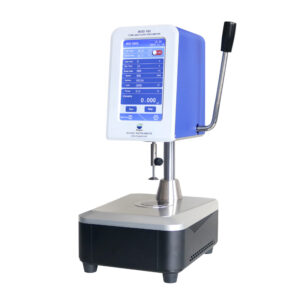
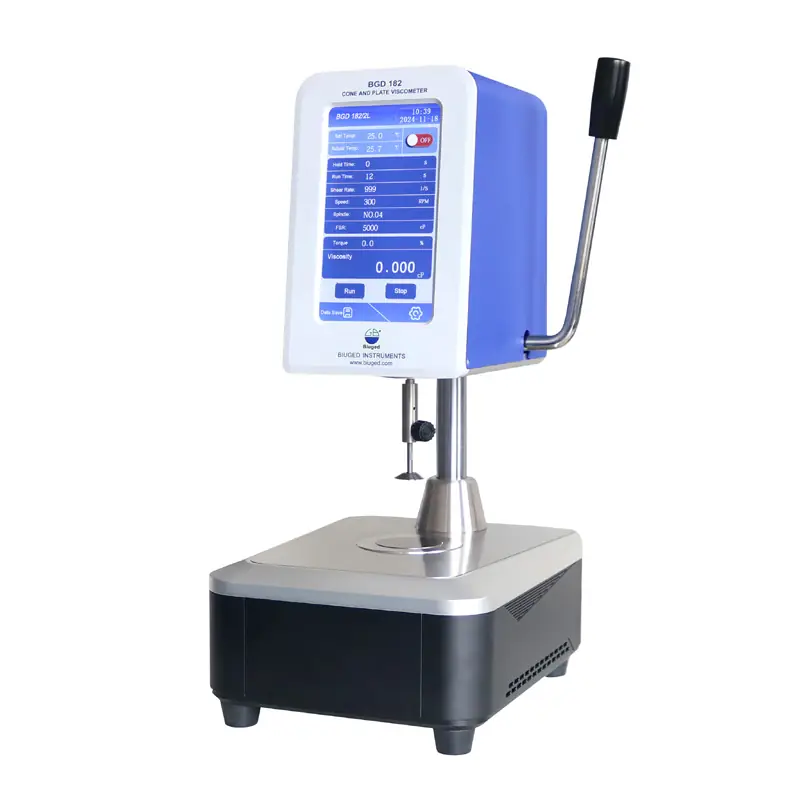
Our BIUGED INSTRUMENTS range includes the BGD 182 Cone-and-plate Viscometer. Its special-angle conical spindle is driven at high speed by a stepper motor to generate high shear in the sample. The instrument conforms to ISO 2884-1 for determining paint and varnish viscosity using a cone-and-plate viscometer operated at high shear.
Connect the Reading to Coating Performance
Viscosity data should be reviewed alongside the way a coating is processed and applied. A high-shear reading may help explain spraying, brushing, rolling, or dispersion behavior, but it does not describe every performance factor. Film appearance, levelling, sag resistance, and application equipment also affect results.
For development work, compare formulations using the same preparation, temperature, cone, and settings. Change one variable at a time when practical, and record results with formulation details. In routine QC, use an agreed sampling plan and acceptance limits based on product specifications and validated procedures.
When a result falls outside the expected range, review sample history and test conditions before changing the formulation. Check mixing consistency, remaining bubbles, and temperature stability. If the procedure was followed, repeat the measurement as required and compare it with other relevant quality data.
Make Small-Sample Testing Repeatable
With BIUGED INSTRUMENTS, users can review equipment options for high-shear coating tests and confirm the applicable method before adopting a procedure. The BGD 182 is designed for cone-and-plate measurement at high shear and conforms to ISO 2884-1. Matching setup to the sample and test conditions helps make results easier to compare.
Small-sample testing is more useful when each reading can be traced to a clear procedure. When using a cone plate viscometer, keep preparation records with results, investigate unusual readings before making process changes, and interpret viscosity alongside the coating’s intended use. This supports consistent development and QC decisions without relying on a single measurement alone.