Corrosion testing plans work better when the brief starts with the project question. A supplier may compare coating batches, a laboratory may follow a customer specification, or an automotive team may assess surface protection on components. Choosing a salt spray test chamber is only one step. The brief should connect the method, specimen, exposure conditions, and reporting needs.
Define the Purpose Before Choosing a Method
Start by stating what the test needs to evaluate. For coated steel, the focus may be rust, blistering, creepage from a scribe, or changes around cut edges. For plated parts or fasteners, the concern may be visible corrosion on the finished surface. These outcomes differ, so name the features to inspect and the evaluation method. The intended use also affects the method. A coating supplier may compare formulation changes, an automotive quality team may follow a component specification, and a third-party laboratory may need to demonstrate compliance with a recognized standard. In each case, the test should answer a defined question rather than simply produce a long exposure time. Salt spray testing supports controlled comparisons, but it does not directly predict a product’s exact service life. Real environments involve changing temperature, moisture, pollutants, abrasion, and maintenance. Explain whether results will support development screening, production quality checks, or compliance with a stated requirement. This context helps prevent conclusions that go beyond the test evidence.
Match the Exposure Cycle to the Application
Neutral salt spray (NSS) is used to evaluate corrosion resistance in a controlled salt-fog environment. Acetic acid salt spray (AASS) and copper-accelerated acetic acid salt spray (CASS) use different conditions and apply when the relevant method calls for them. Name the required method instead of using “salt spray” as a general label. Some projects need more than continuous salt fog. Components exposed to changing moisture and drying may require a cyclic corrosion program. The cycle can combine salt spray, humidity, and drying stages in a defined sequence. Use the applicable standard or approved project procedure to set the sequence rather than relying on an informal estimate. Material and finish details also matter. Record the substrate, coating or plating type, surface preparation, specimen dimensions, edge treatment, and whether the sample has a scribe or cut. Include the intended application and customer acceptance criteria. These details help confirm method fit and support comparisons across batches.
Turn the Standard into a Clear Test Brief
A useful brief names the standard and edition, method, and required exposure duration. Standards may specify preparation, solution requirements, chamber conditions, specimen placement, and evaluation procedures. If a customer specification changes a published method, record the deviation and obtain approval before testing. Define how samples will be assessed after exposure. Depending on the requirement, evaluation may cover rust, blistering, coating loss, corrosion near a scribe, or appearance changes. State the inspection timing and rating system where applicable. Do not set a pass or fail rule unless the responsible specification provides the threshold and the project owner confirms its use. Plan the report before the test starts. Include sample identification, coating or batch details, preparation records, exposure times, deviations, observations, and photographs where required. Record instrument checks and calibration when required. A consistent report makes results easier to review and supports traceability when quality teams investigate differences between suppliers or production lots.
Select Equipment Around the Test Plan
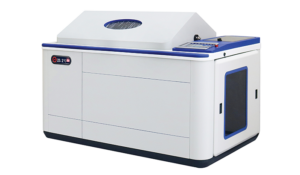
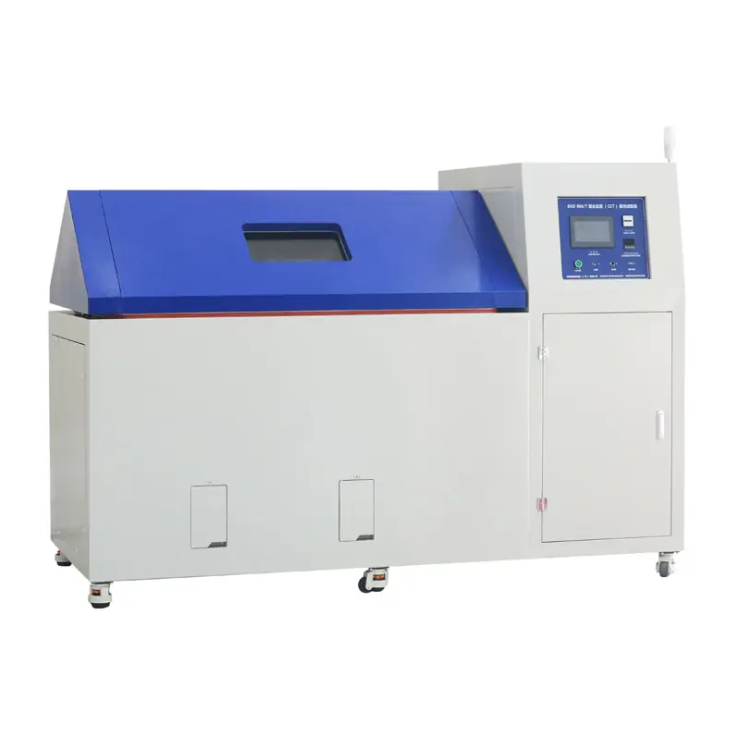
A salt spray test chamber should suit the required method and the size and number of specimens. Check usable test area, specimen supports, loading access, control functions, and compatibility with the planned solution and exposure conditions. The equipment should hold samples without crowding or blocking the intended spray pattern. A suitable salt spray cabinet should also fit the laboratory’s workflow. Consider how operators set parameters, monitor a run, record results, clean the chamber, and perform routine checks. For facilities handling several methods, compare separate equipment configurations with a multifunctional system. Maintenance access and staff training are practical purchase factors, not details to leave until installation. For projects with several exposure stages, our BIUGED INSTRUMENTS Cyclic Corrosion Test (CCT&CRH) Cabinets let operators set and control parameters through a touch screen. The system combines salt spray corrosion with humidity stages, including high-temperature/high-humidity and low-temperature/low-humidity conditions, plus hot drying and air drying. Accessories can support special cyclic programs when the project calls for a defined combination. Our cyclic corrosion cabinets can also perform NSS, AASS, CASS, water spray, damp heat, drying, and standard atmospheric environment tests separately. This range can help laboratories plan different procedures on suitable equipment. Check the specific configuration against the applicable method, specimen requirements, and intended sequence before purchasing.
Confirm the Brief Before Testing
Before releasing samples, review the standard, specimen preparation, exposure conditions, inspection criteria, report format, and process for approving deviations with the laboratory and project owner. Resolve unclear points rather than relying on assumptions. A short technical review can reduce repeat tests caused by mismatched procedures or incomplete sample information. A clear brief links the material, method, standard, equipment, and evaluation rules. When discussing a salt spray cabinet, our BIUGED INSTRUMENTS team can review the required cycle and control functions to see whether a CCT and CRH configuration fits the project. Defined requirements support useful results without claiming more than the test can show.