Corrosion testing helps engineers compare how coatings and components respond to controlled exposure. Automotive parts may encounter road salt, moisture, temperature changes, and drying during service. Clear test plans define which conditions matter and how results will be assessed. Select a cyclic corrosion test chamber only after defining those needs. This distinction matters when comparing updated coatings or components from different suppliers.
Continuous salt spray testing, commonly conducted at 35°C under the relevant method, is widely used in laboratories. However, constant salt mist does not reproduce the natural wet and dry cycles found outdoors. Cyclic programs use changing stages to model exposure for reliability checks.
Why Cyclic Programs Are Used
Continuous salt spray supports controlled comparisons under steady exposure. Real service conditions are less uniform. Wet-dry changes affect corrosion, so one method may not answer every coating question.
Cyclic programs combine stages according to a specified standard or customer protocol. Depending on the method, these may include salt application, high humidity, condensation, and drying. Some protocols alternate conditions in different sequences, so check the method before writing a test schedule. The order and duration influence exposure. Equal test hours do not make two programs equivalent.
For automotive quality teams, the cycle should match the purpose of the assessment. Coated brackets, fasteners, housings, and other parts may have different shapes and exposure risks. When qualification requirements name a specific standard, follow it rather than substitute another cycle without approval. Results support comparisons but cannot represent every road or climate.
Compare the Same Component Family
Start by identifying the decision the test needs to support. Tests may compare coatings, review design changes, check supplier batches, or assess corrosion near joints. This guides method and evaluation criteria.
Group specimens by material, coating system, geometry, and preparation method. Similar parts may have different seams, cavities, edges, or fasteners. These features affect moisture retention and corrosion locations. Record the differences before testing.
Keep specimen preparation consistent across the comparison. Document cleaning, coating condition, exposed surfaces, and scribe placement when required. For assembled automotive parts, state whether the test covers the complete component or a representative material sample. Note seals or mixed materials when they are relevant, since they can affect how observed damage should be interpreted. This distinction helps readers understand what the findings can reasonably show.
Document Each Exposure Phase
Record the applicable standard or customer specification, including its revision. List the phases in sequence and record their duration and required operating conditions. Note solution details and transition rules when the method specifies them. These records describe the exposure that the specimens actually received.
Log start and finish times, interruptions, deviations, and chamber records. If a cycle pauses or a condition moves outside the required range, document the event and follow the method’s procedure for assessing its effect. Total test hours alone do not explain the full exposure history.
Set inspection intervals and rating criteria before testing begins. Depending on the protocol, assessments may cover visible rust, blistering, coating damage, or corrosion around a scribe. Use consistent photographs and labels, and retain raw observations with summary ratings. Agree on how borderline observations will be handled before reviewing results.
Select Equipment for the Required Protocol
Start with the protocol, specimen dimensions, and workload. Check support for the method’s stages and operating conditions. Consider how many specimens need to be tested together and how loading may affect placement. Review capacity, specimen placement, spray delivery, climate control, drainage, monitoring, and records.
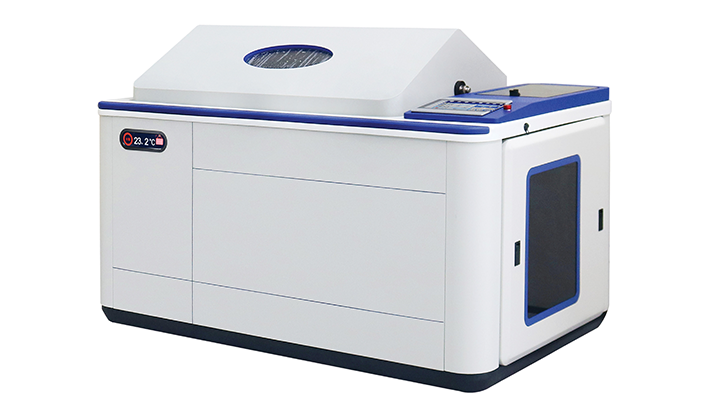
Compare a cyclic corrosion test chamber against documented requirements rather than general claims about versatility. Ask the supplier to map the method to the configuration and state limitations. Confirm which standards and operating conditions apply to the intended test before purchase. Request written confirmation for nonstandard cycles instead of relying on a general product description.
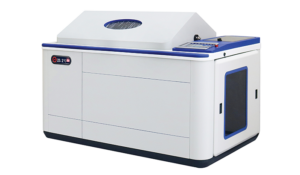
Our BIUGED INSTRUMENTS Multi-functional Cyclic Corrosion Test Cabinets are designed for laboratories considering multi-stage corrosion exposure. Equipment discussions should begin with the test standard, component type, and evaluation objective. This helps the laboratory review relevant functions without assuming every configuration supports every protocol or specimen arrangement.
Review Repeatability and Result Limits
Repeatability depends on more than settings. Solution preparation, specimen spacing, chamber loading, maintenance, and inspection practice can influence comparisons. Follow the method, keep procedures consistent, and record changes between runs.
If results differ, review exposure records and preparation before judging the material. Check whether specimens received the same cycle and whether evaluation criteria were applied consistently. Reference specimens or a preliminary run may help assess the setup, but they do not replace the applicable method’s requirements.
The cyclic corrosion chamber should also fit the laboratory’s maintenance and measurement-checking procedures. Confirm how operating conditions are monitored, how interruptions are recorded, and what service support is available. These details support recordkeeping and maintenance planning.
Make the Comparison Useful
Useful comparisons link a clear purpose to consistent exposure, phase records, and agreed criteria. For automotive parts, reports should distinguish surface changes from functional damage and stay within the method’s limits.
Our BIUGED INSTRUMENTS team can discuss Multi-functional Cyclic Corrosion Test Cabinets in relation to a laboratory’s stated needs. Clear requirements support equipment comparison and repeatable testing. The cyclic corrosion chamber should support the chosen protocol in practice, rather than imply that one cycle suits every component family.