Long-term laboratory performance depends on more than the purchase of a single instrument. R&D, quality-control, and procurement teams need to evaluate whether a supplier can support reliable measurements, standard compliance, stable operation, and future maintenance. A suitable supplier should fit both the technical requirements of the laboratory and the practical needs of daily use.
For coating, ink, plastics, automotive, and related material applications, equipment selection should be linked to the full testing process. Calibration traceability, standards knowledge, delivery planning, training, spare parts, and ownership cost all influence how smoothly a laboratory operates after installation.
 Calibration Traceability Matters in Daily Testing
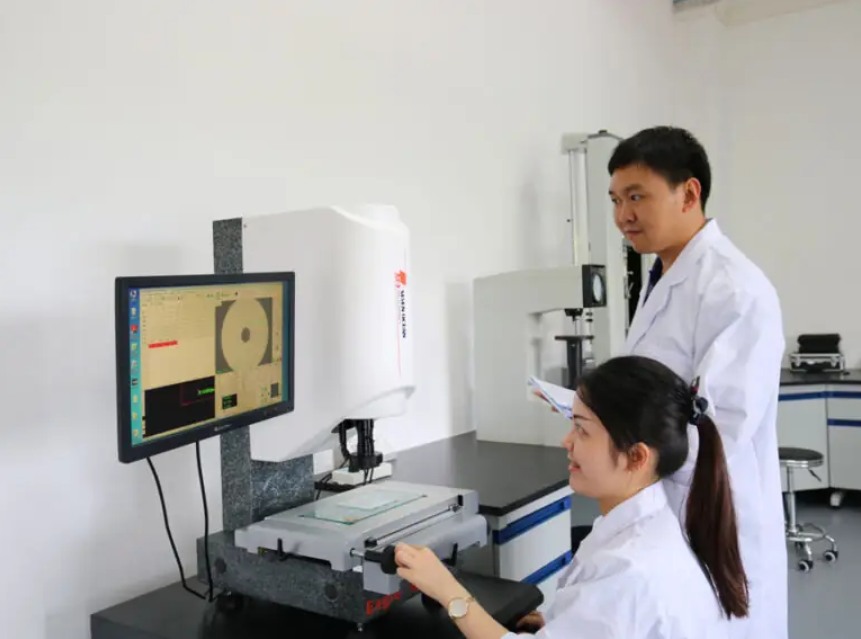
Calibration is closely connected with data reliability. Laboratories need to know how measurement results are verified, how calibration records are managed, and whether equipment can be checked against traceable references. This is especially important when data is used for quality release, customer reporting, or comparisons between laboratories.
When evaluating a material testing equipment manufacturer, we recommend reviewing the supplier’s calibration capability instead of looking only at product specifications. A supplier with access to professional calibration services can support periodic verification and help laboratories maintain more consistent measurement practices over time.
At BIUGED INSTRUMENTS, we have access to a CNAS-certified calibration laboratory operated through our related service system. This supports professional calibration work for relevant testing instruments and gives customers another option for long-term measurement management after equipment has entered service.
Standards Participation Shows Technical Depth
Testing equipment is closely connected with standards. A laboratory may work with GB, ISO, ASTM, JIS, or other methods, depending on the market and application. Therefore, buyers should confirm whether the supplier understands the test method, instrument structure, sample preparation, and operating conditions required by the relevant standard.
Before ordering, we also suggest creating a requirement sheet for each test. It can record the target standard, sample type, measurement range, expected frequency, reporting needs, and calibration plan. This makes supplier discussions more specific and reduces configuration changes later.
Standards participation can also show how closely a supplier follows changes in testing methods. Our company has participated in the revision or development of more than 80 national and industry standards, including two national standards in which we served as the first drafting unit.
In addition to standard products, we also support customized instrument development and OEM cooperation according to different testing requirements. Based on application conditions, test methods, and laboratory workflows, we can discuss product configuration, functional adjustments, and technical solutions with partners who need specific equipment designs.
This background does not replace the need to check each instrument against the specific project standard. However, it helps technical teams communicate more clearly about test scope, method interpretation, and equipment suitability before purchase.
This background does not replace the need to check each instrument against the specific project standard. However, it helps technical teams communicate more clearly about test scope, method interpretation, and equipment suitability before purchase.
Service Coverage Affects Laboratory Continuity
A laboratory often depends on equipment for routine release testing or development work. If a problem occurs, slow communication can interrupt the testing schedule. Buyers should therefore review technical support, training, maintenance, and spare-parts availability as part of supplier evaluation.
We support customers in more than 80 countries and regions and work with a global network of distributors. Our service process can include installation guidance, operation training, technical consultation, maintenance support, and calibration-related services according to the customer’s application needs.
For a material testing equipment manufacturer, service coverage should be considered together with the complexity of the equipment. A simple instrument may need limited support, while aging chambers, corrosion systems, or intelligent testing devices may require more detailed setup and operating guidance.
Lead Time Should Match Project Planning
Delivery time matters when laboratories are expanding, replacing older equipment, or preparing for new production programs. Procurement teams should ask which products are normally available, which require production scheduling, and whether calibration or configuration work affects the final delivery date.
Our main products can have lead times starting from around seven days, while some products may require 10 to 20 working days. Actual timing depends on the instrument type and order requirements. Clear confirmation before purchase helps customers align equipment arrival with installation, training, and validation plans.
Lead time should not be judged in isolation. A shorter delivery period has limited value if technical preparation is incomplete. We prefer to confirm the test method, application conditions, and service requirements first, so the delivered equipment can enter the laboratory with fewer avoidable adjustments.
Total Cost of Ownership Deserves Attention
Purchase price is only one part of long-term cost. Laboratories also need to consider calibration, maintenance, operator training, consumables, spare parts, downtime, and possible replacement costs. These factors can affect the real value of equipment over several years.
When comparing material testing equipment, procurement teams can build a simple TCO checklist. It should include the initial price, expected maintenance needs, calibration frequency, service access, warranty terms, and the availability of technical support. This gives a clearer view than comparing purchase quotations alone.
At BIUGED INSTRUMENTS, we provide a one-year complete-machine warranty for relevant products and support customers with installation, training, technical consultation, and maintenance services. These services are intended to help laboratories plan equipment use beyond the initial purchase stage.
A Practical Supplier Evaluation Framework
A reliable supplier evaluation should combine technical and operational factors. We suggest checking calibration traceability, applicable standards, service coverage, delivery planning, warranty terms, and long-term maintenance support before making a final decision.
The right material testing equipment should fit the laboratory’s actual methods, workload, and quality objectives. By looking beyond the initial specification sheet and considering customization capability, R&D, quality-control, and procurement teams can build a testing system that remains practical, traceable, and manageable throughout its service life.