A reliable coating and materials laboratory depends on suitable instruments, clear testing procedures, and consistent data management. R&D teams, quality-control departments, and procurement managers need to consider test scope, standards, repeatability, and long-term operation before selecting equipment.
Different materials require different evaluation methods. Coating performance, ink properties, and material durability testing involve various processes. Choosing suitable equipment helps laboratories create practical workflows and support product development, quality inspection, and production control.
Understanding Testing Requirements Before Equipment Selection
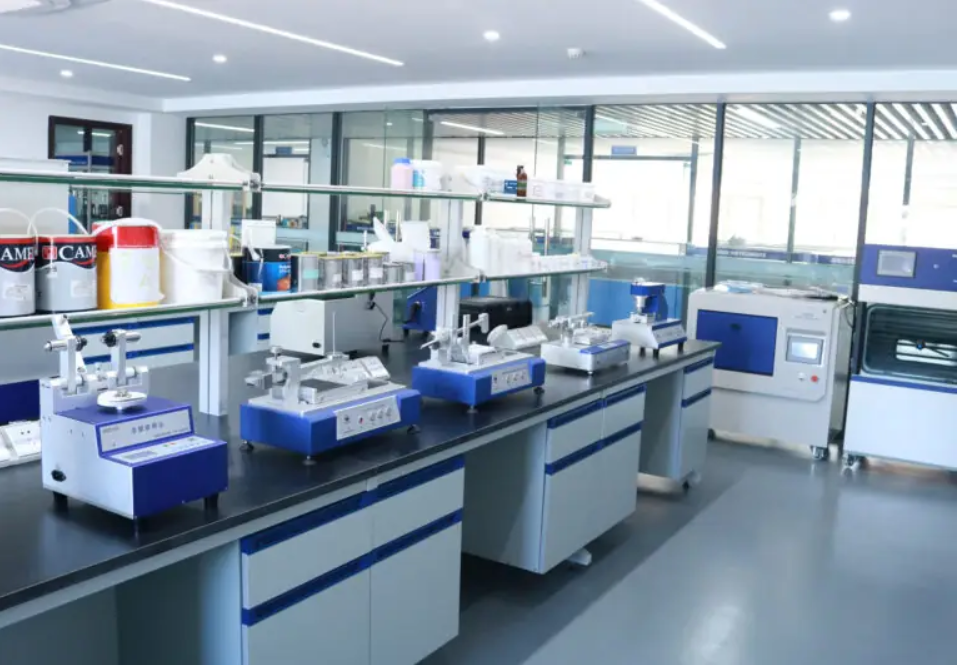
Before purchasing testing instruments, teams should define the purpose of each test. Coating manufacturers may focus on viscosity, fineness, drying time, gloss, adhesion, hardness, and aging performance. Material suppliers may need different evaluation methods based on application conditions.
The selected equipment should match testing standards and laboratory goals. Teams often review ISO, ASTM, GB, or other industry requirements to confirm whether instruments can support their daily testing procedures. This step helps reduce repeated testing caused by unsuitable configurations.
For R&D departments, data consistency is an important factor during material development. A stable testing process allows engineers to compare samples during formulation adjustments. Quality-control teams also rely on repeatable results when monitoring production performance.
Evaluating Data Accuracy and Repeatability
Testing results are valuable only when they can be compared over time. Laboratories need instruments that provide stable operation and support accurate measurement. Repeatability helps users identify differences between samples and make decisions based on reliable information.
When selecting material testing equipment, companies should consider measurement methods, calibration support, and operating conditions. These factors influence how test results are collected and applied in real production environments.
A complete laboratory setup is not only about individual instruments. It also includes standard test materials, proper operation methods, and regular maintenance. Together, these elements support a more organized testing system.
Considering Workflow and Laboratory Efficiency
Modern laboratories often handle multiple testing tasks at the same time. Equipment selection should consider operator experience, testing frequency, sample types, and workflow arrangement. Simple operation and clear procedures can help teams manage daily work more effectively.
Automation is becoming an important direction in material testing. Intelligent functions can reduce manual steps and support more consistent operations. For example, AI visual technology and automated testing functions are being applied to some coating inspection instruments.
Choosing suitable laboratory testing equipment requires attention to both current needs and future applications. Laboratories may expand testing projects as product lines grow, so flexible solutions can support long-term development.
Selecting a Partner With Technical Capability
Beyond equipment specifications, supplier capability is also an important consideration. A manufacturer with experience in coating and materials testing can provide guidance on instrument selection, application methods, and technical support.
We focus on precision testing instruments for coatings, inks, and related materials. BIUGED INSTRUMENTS develops and manufactures testing solutions for different laboratory applications. Based on customers’ testing requirements, we provide customized configurations, application support, and OEM services for partners with specific instrument development needs. Our experience includes coating performance evaluation, environmental aging tests, and related material testing needs.
Our company has an independent R&D system, a CNAS-certified calibration laboratory, and professional technical teams. These resources support product development, customized instrument solutions, calibration services, and application communication with customers. Through flexible cooperation methods, we work with partners to develop testing solutions that match different standards, sample types, and laboratory requirements. We also participate in industry standard activities to better understand testing requirements.
Balancing Cost, Service, and Long-Term Value
Procurement teams usually consider more than the initial purchase price. Equipment lifespan, maintenance requirements, calibration services, and technical support all affect the total ownership cost.
A practical selection process should compare product performance, service response, and application suitability. This approach helps companies choose solutions that fit their laboratory environment instead of focusing only on short-term cost.
For global customers, stable supply and service communication are also important. BIUGED INSTRUMENTS provides testing instruments for customers in different regions and supports users with installation guidance, training, and technical assistance.
Reviewing Application Details and Technical Support
Each laboratory has different testing priorities. A coating producer may need frequent quality checks, while a research team may focus on formulation comparison and performance analysis. Understanding these differences helps users select suitable configurations and avoid unnecessary functions.
Technical communication before purchase is also valuable. Discussions about sample types, testing standards, and expected results allow suppliers and users to create clearer plans. This cooperation can improve equipment application after installation and support smoother laboratory operation.
Supporting Future Laboratory Development
As industries develop, testing requirements continue to change. Automotive materials, new energy applications, plastics, rubber, and other fields require more detailed evaluation methods. Laboratories need equipment that can adapt to different testing tasks.
Our laboratory testing equipment solutions are designed for professional users who need structured testing processes. From product research to quality inspection, appropriate instruments help teams collect meaningful data and improve laboratory management.
The development of intelligent testing technology also creates new opportunities. Digital functions, automated operations, and better data handling methods are becoming part of modern laboratory planning.
Building a More Reliable Testing System
Selecting testing equipment is a process that combines technical requirements, standards, workflow, and service considerations. A suitable solution should match the laboratory’s actual applications and provide support throughout daily operations.
For coating and materials companies, investing in proper testing systems can help improve evaluation processes and support continuous product improvement. Our material testing equipment focuses on practical laboratory needs and helps users build reliable testing capabilities.