
Laboratory testing projects usually start with a specific challenge. Different materials, standards, and production processes may require different evaluation methods. For coating, ink, and polymer companies, selecting suitable testing equipment is only one part of the project. A complete solution should also consider workflow, data requirements, operation methods, and long-term usage.
We focus on understanding customer requirements before developing testing solutions. By reviewing application conditions and testing goals, laboratories can build a more practical system that supports R&D, quality control, and production evaluation.
Understanding Requirements Before Building a Testing Plan
Every testing project begins with requirement assessment. Laboratories need to define what materials will be tested, what performance characteristics need evaluation, and how the results will support business decisions.
For coating and ink applications, factors such as viscosity, flow behavior, film performance, and material consistency can influence testing methods. A clear understanding of these factors helps determine suitable instruments and testing procedures.
When customers discuss custom testing equipment projects with us, we review sample types, testing frequency, required accuracy, and expected data output. This information allows our team to understand the actual laboratory environment instead of only focusing on equipment specifications.
Reviewing Standards and Designing Suitable Systems
Testing standards provide important references for laboratory operations. Different industries may follow ISO, ASTM, GB, or other technical requirements. Reviewing these standards helps define testing methods and ensure that equipment selection matches application needs.
System design involves more than choosing a single instrument. We consider laboratory workflow, operator experience, sample conditions, and future testing requirements. A suitable system should fit daily operations and support consistent testing procedures.
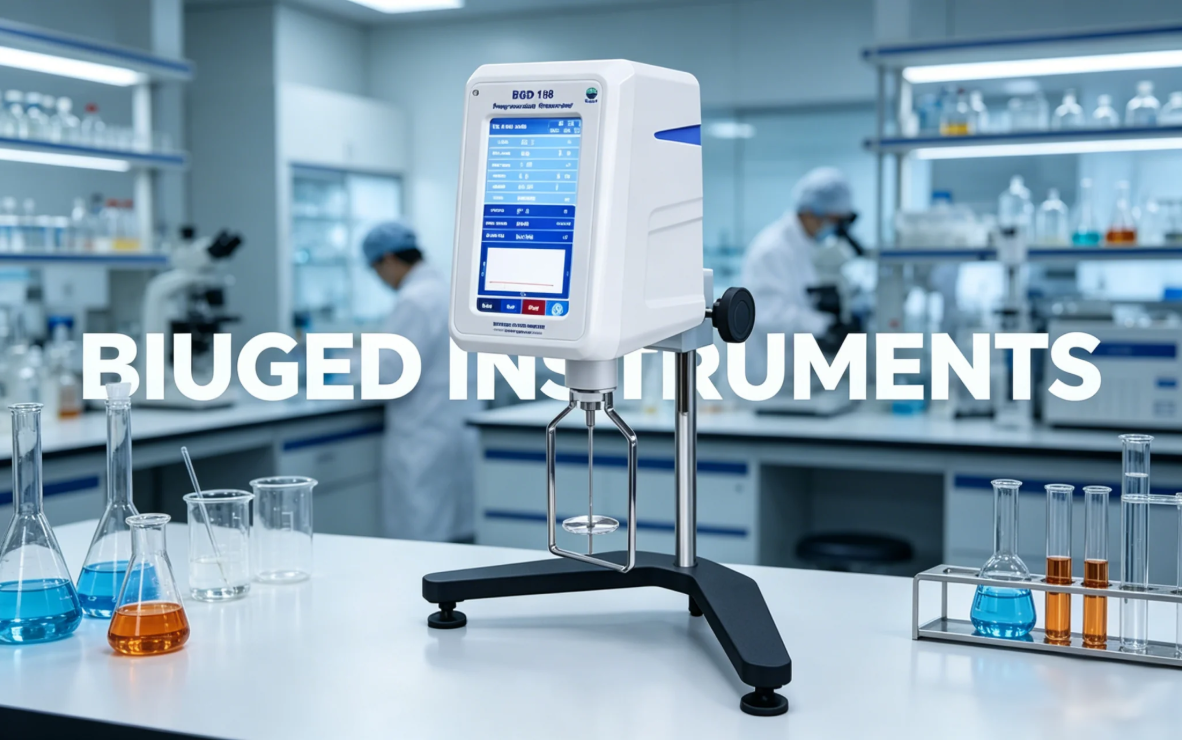
For example, material flow behavior analysis is an important part of coating and polymer evaluation. The BGD 168 Programmable Rheometer is developed for viscosity and rheology testing of paints, coatings, inks, and polymers. It provides programmable shear rate control, high-precision torque measurement, and intelligent data analysis to support different laboratory applications.
Evaluating Samples Before Final Implementation
Sample evaluation helps laboratories confirm whether the planned testing method meets practical requirements. Before full operation, teams can review test results, compare data, and adjust procedures based on actual material characteristics. It also provides an opportunity to identify possible differences between expected performance and real testing conditions, allowing users to optimize settings before regular production or research activities begin.
This stage is especially important for companies developing new formulations. Different materials may respond differently during testing, so understanding sample behavior helps laboratories establish suitable evaluation processes. It supports better communication between technical teams and suppliers when further adjustments are needed.
A professional testing solution should consider both equipment capability and application conditions. Through sample testing, customers can better understand how the system works with their materials and whether the testing process supports their quality goals.
Completing Commissioning and Operator Training
After confirming the testing plan, equipment commissioning becomes an important part of project implementation. Installation, parameter setup, and initial testing verification help laboratories prepare for regular operation. This process also allows technical teams to identify possible adjustments before formal use and confirm that the equipment works according to the expected testing conditions.
During this stage, we focus on checking whether the equipment configuration matches the agreed requirements. Proper setup can reduce operation difficulties and help users become familiar with testing procedures. Detailed communication between suppliers and users also supports smoother integration into existing laboratory workflows.
Training is also included in the implementation process. Operators need to understand equipment functions, testing steps, and basic maintenance methods. Clear operation guidance helps teams use the system more effectively in daily laboratory work.
Supporting Long-Term Laboratory Operation
A testing solution does not end after equipment delivery. Long-term operation requires maintenance planning, technical communication, and calibration support to maintain stable testing performance.
For laboratories that depend on accurate measurement results, regular equipment management is an important part of quality control. Professional calibration services can support measurement consistency and help users maintain reliable testing records.
With experience in precision testing instruments, BIUGED INSTRUMENTS provides technical support throughout different stages of laboratory projects. Our services include application communication, installation guidance, operation training, and ongoing technical assistance.
Creating Practical Solutions Beyond Individual Instruments
A successful testing project connects equipment, standards, samples, and laboratory processes together. Instead of selecting instruments separately, companies can build a complete testing approach based on actual application needs.
For customers looking for custom test equipment, the key consideration is how the solution supports their long-term workflow. A well-designed system can help R&D teams improve formulation evaluation and help QC departments manage testing procedures more effectively.
Our approach is based on understanding customer applications and developing solutions that match different testing environments. From initial requirement analysis to lifecycle support, we continue to focus on practical testing needs.
As coating, ink, and material industries develop, laboratories require testing solutions that provide reliable data and efficient operation. BIUGED INSTRUMENTS continues to support customers with precision instruments and application-focused services, helping laboratories create structured testing processes for future development.
