
Laboratory coating development depends on repeatable testing methods. When researchers compare different formulations, the preparation of coating panels can influence the evaluation results. Factors such as substrate size, application speed, coating thickness, and operator handling all affect the final film condition.
For R&D and quality control teams, choosing suitable application equipment is an important step in building stable testing procedures. A practical selection should consider testing requirements, daily workload, and compatibility with different coating materials.
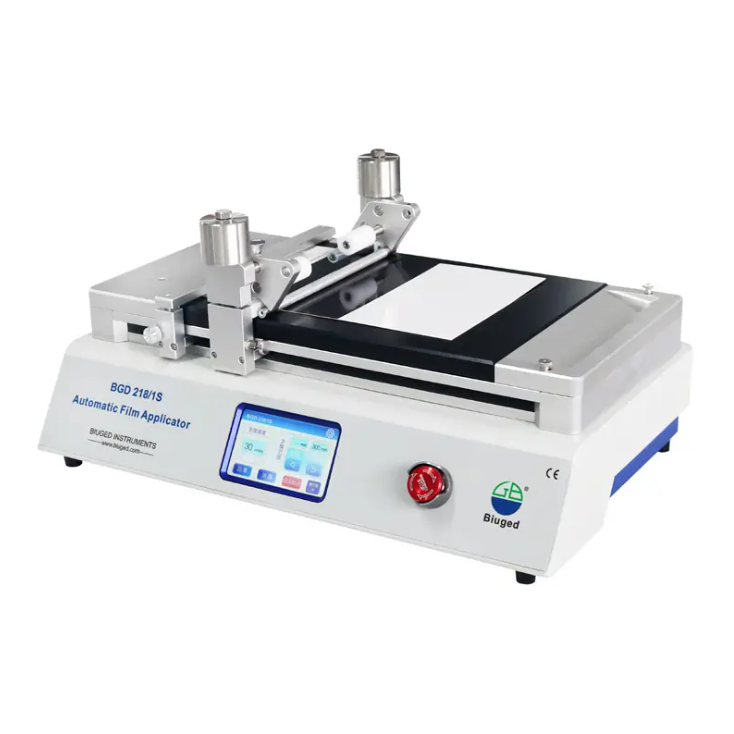
Consider Substrate Requirements Before Equipment Selection
Substrate preparation is an important part of coating evaluation. Different projects may use glass panels, metal sheets, plastic plates, or other testing surfaces. The equipment should match the size range and thickness of the panels used in laboratory work. A suitable setup allows researchers to prepare samples with clearer procedures and reduce variations caused by inconsistent panel handling during repeated tests.
When selecting equipment, users need to check whether the fixture design can support different panel dimensions. Flexible positioning helps laboratories handle various test methods without changing the entire workflow. This is especially useful for laboratories that evaluate multiple coating systems or work with different sample formats during daily development activities.
For coating teams, an automatic film applicator provides a controlled way to prepare coating films on different substrates. It helps reduce differences caused by manual operation and supports more consistent sample preparation during formulation research and quality inspection.
Review Speed Control and Application Stability
Drawdown speed directly affects coating film formation. If the application speed changes between tests, the coating surface may show differences in thickness, leveling, or appearance. Stable speed control allows laboratories to compare samples under similar conditions. It also helps reduce operation differences between users and provides a more controlled basis for evaluating coating properties during formulation development and quality inspection.
A suitable machine should provide adjustment options according to different coating materials and testing purposes. Some materials may require slower application movement, while others may need faster preparation during routine testing.
Our testing equipment includes the BGD 218/S and BGD 219/S models, which are designed for laboratory coating applications. These models provide stepless speed regulation from 5mm/s to 500mm/s and use high precision linear guides to support stable drawdown movement.
Check Applicator Compatibility and Operating Flexibility
Applicator compatibility is another factor during equipment evaluation. Different coating projects may use different applicator tools, film thickness requirements, and panel structures. The equipment should allow users to adjust operation settings according to specific test conditions.
The relationship between the applicator tool and coating material can influence shear rate and downward force during application. Managing these factors helps laboratories create test panels with more consistent conditions.
An automatic drawdown machine can support controlled coating application by providing a standardized movement process. For procurement teams, checking compatibility with existing applicators and laboratory methods can help avoid workflow changes after installation.
Build a Practical Procurement Checklist
Before purchasing laboratory equipment, teams can prepare a specification checklist based on their testing needs. This checklist may include substrate size range, speed adjustment range, fixture structure, applicator compatibility, maintenance requirements, and documentation support.
For substrate requirements, users should confirm whether the equipment can handle their regular panel sizes. For speed control, they should review whether the adjustment range matches their coating evaluation process.
Other points include operating convenience and future application expansion. The push rod design of BGD 218/S and BGD 219/S can adapt to substrates with different thicknesses from 0-20mm. The substrate clamping fixture can also be repositioned according to test panel dimensions.
Improve Testing Workflow Through Standardized Methods
A standardized coating preparation process can help laboratories organize development and quality control tasks more efficiently. When test methods are consistent, teams can compare coating performance with clearer references.
Besides application speed and substrate preparation, cleaning and documentation should also be considered. Proper cleaning after testing helps maintain equipment condition, while complete records support later analysis and communication between departments.
Our manufacturer focuses on precision testing solutions for coating-related applications. BIUGED INSTRUMENTS develops laboratory equipment based on practical testing requirements, helping users manage coating evaluation processes with more structured methods. We also support customized requirements and technical communication to help different laboratories establish suitable testing workflows for their applications.
Supporting Future Coating Development Needs
As coating technologies continue to develop, laboratories need equipment that can match different materials, standards, and testing procedures. A suitable selection process should focus on actual application conditions rather than only individual functions.
For R&D and QC teams, an automatic drawdown machine can become part of a repeatable testing system when its specifications match laboratory requirements. Equipment selection should include application methods, expected workload, and long-term maintenance considerations.
With experience in coating and material testing fields, BIUGED INSTRUMENTS continues to provide testing solutions that support laboratory development. By combining controlled application methods with practical equipment design, we help customers create more reliable coating evaluation workflows.
