When coating and material projects share one laboratory, exposure time becomes a planning issue. Samples may need different durations, settings, and inspection intervals. Clear schedules help technicians use chamber space, coordinate deadlines, and keep results traceable from preparation to final assessment. For xenon arc testing, the plan should link specimen capacity with exposure conditions and records.
Define Capacity Before Booking
Start by listing each study’s purpose, material type, expected exposure period, and required observations. Coatings may need checks for color change, gloss loss, cracking, or blistering. Plastics and other materials may require different evaluation methods. Confirm the applicable test method before reserving chamber time. Note who approves the method and who will assess the exposed specimens.
Review usable exposure area instead of relying on the chamber’s outside dimensions. Holders, specimen spacing, and inspection access affect how many samples can be placed. When planning a xenon arc test chamber run, do not assume every part of its nominal area is available. Leave room for the arrangement specified by the method.
Batch planning should consider compatibility, not just space. Samples can share a run when the method, exposure settings, specimen construction, and inspection timing are consistent. If projects require different conditions, separate runs make results easier to interpret. Record the reason for each grouping so technicians can follow the setup plan.
Build a Specimen Plan
Create a specimen register before assigning chamber positions. Include a unique ID, project reference, material and coating details, substrate, preparation date, initial measurements, and intended exposure conditions. The position map should connect each ID to a holder location. Labels must remain readable without covering the exposed surface.
Reserve space for replicates and control specimens where the method calls for them. Replicates help reveal variation within a material group, while reference specimens can support comparisons between runs. Set quantities according to the test plan and applicable standard, rather than filling the chamber simply to increase utilization.
Set submission and preparation deadlines with project engineers and quality teams. Late samples can delay a batch or create differences in conditioning time. Record exceptions and changes to the run sequence. Clear cut-off times help staff plan workload and give project owners a realistic expectation for sample entry.
Set and Record Exposure Conditions
Irradiance is a key scheduling variable when a method specifies a target level, control wavelength, or exposure cycle. Before a run, confirm the required setpoint and available control options. Record the units and control wavelength specified by the method. Do not compare elapsed hours alone when projects use different irradiance levels or cycle settings.
Humidity and water exposure also affect booking plans. Some methods specify controlled humidity, spraying, or alternating light and dark periods. Write the selected program and its stages into the booking sheet. This makes it easier to compare the planned cycle with the operating record. For climate-related studies, verify that the chosen equipment supports the required conditions.
Allow time for checks before and after exposure. Depending on the equipment and laboratory procedure, technicians may review sensors, the lamp system, water supply, alarms, or operating records. Use the manufacturer’s instructions to define the checklist. Planned checks are easier to coordinate than unexpected interruptions during a long run.
Match Equipment to Batch Demand
Equipment selection should reflect specimen size, batch volume, exposure conditions, and project frequency. For larger batches, a xenon arc test chamber with suitable usable area may reduce the need to divide a study into several runs. Capacity alone does not determine suitability. The method, control options, maintenance needs, and inspection workflow must also fit the laboratory’s work.
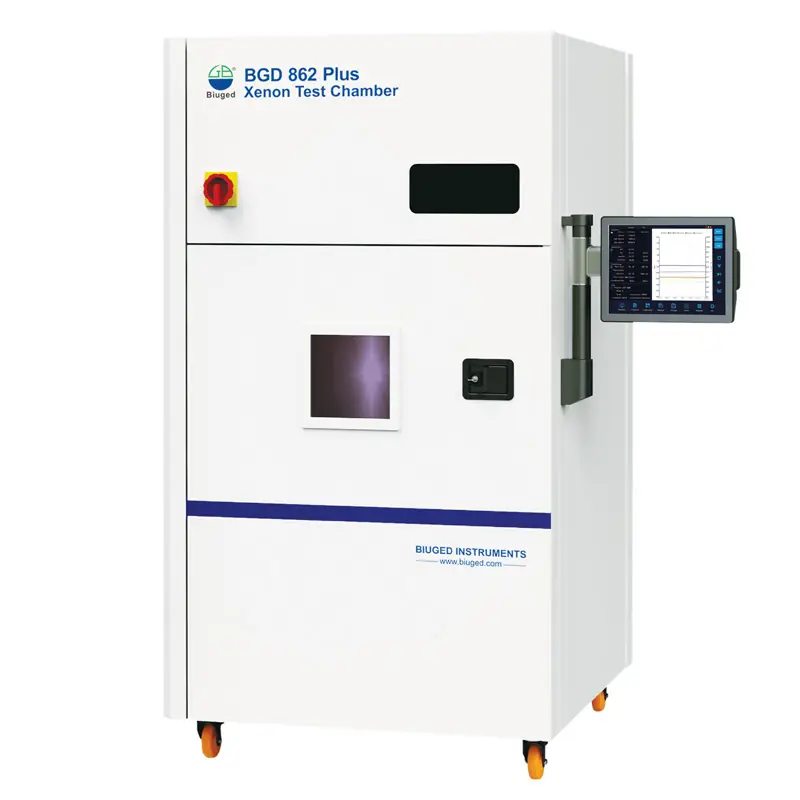
For larger programs, BIUGED INSTRUMENTS offers the Big Xenon Test Chamber PLUS, model BGD 862 Plus. It is a multifunctional large xenon light accelerated weathering tester equipped with one 6.5 kW water-cooled xenon lamp. Its stated exposure area is 6,500 cm². Laboratories can compare these specifications with specimen dimensions and planned batch sizes.
Before confirming a booking, compare method requirements with the equipment specifications and operating instructions. Check the required irradiance, humidity, spray, and cycle settings. Include setup, cleaning, routine checks, unloading, and documentation in the time estimate. This gives a more realistic view of capacity available for the next project.
Keep Records Ready for Review
Use one booking record as the main reference for each run. Include the project owner, specimen IDs, holder positions, method, settings, start and end times, interruptions, inspection dates, and responsible technician. Attach calibration or verification records when required by the laboratory’s quality system. Clear records support handovers and review. Store photos and measurement sheets under the same run ID.
Distinguish calendar time from actual exposure time. Record when a run starts, when interruptions occur, and when exposure resumes. If a method requires a cumulative dose or defined cycle, use recorded values rather than estimating progress from the calendar. Note the reason for every interruption. Link approved changes to the authorizing person and the reason.
Review planned and actual run times each week. Look for delays caused by incomplete specimens, maintenance, overlapping inspections, or setup estimates. Use the findings to adjust future booking windows. For every xenon arc testing project, linking capacity, conditions, specimen planning, and documentation helps teams coordinate demand and protect traceability. BIUGED INSTRUMENTS can be considered when laboratories assess large-chamber capacity for coating and material studies.